Federal regulators crack down on organ donation groups
Federal regulators are cracking down on the nonprofits responsible for coordinating organ donations, aiming to begin shutting down substandard groups by early next year.







Federal regulators are cracking down on the nonprofits responsible for coordinating organ donations, aiming to begin shutting down substandard groups by early next year.

Atilio Portillo said he has been living in the U.S. since 1988 and became a naturalized citizen in 2013.
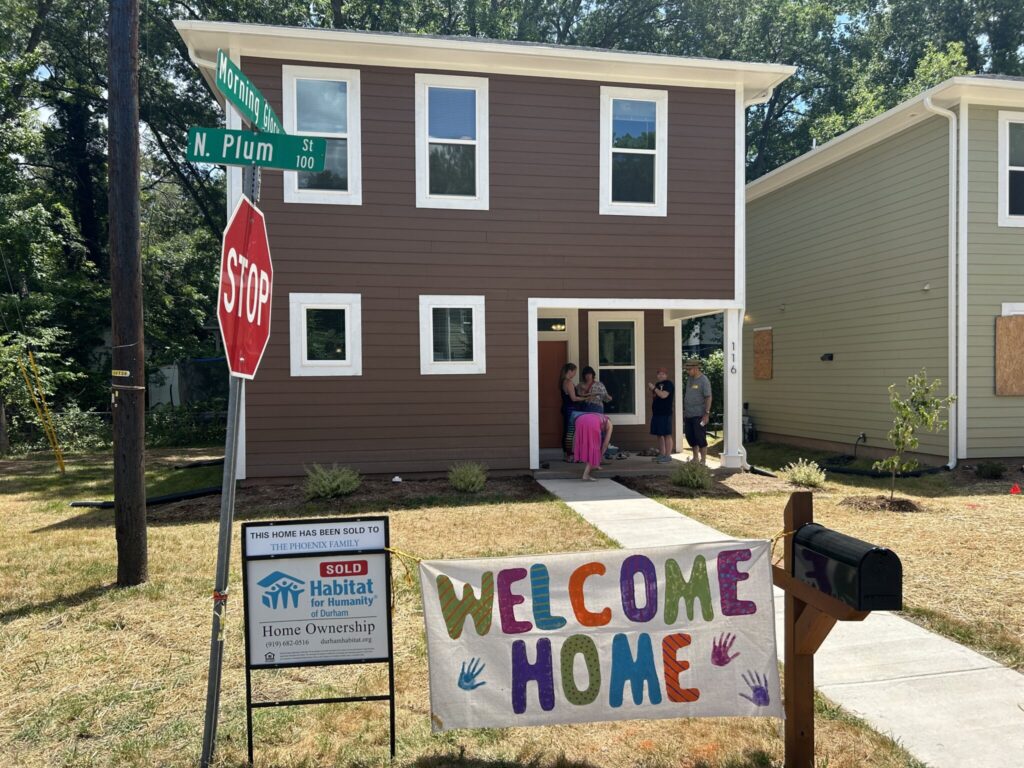
Housing demand across the country is slowing due to an affordability crisis that makes it difficult for people with moderate-to-low incomes to buy a home or pay high rents, said Alexander Hermann, a senior research associate at the Harvard Joint Center for Housing Studies.

One of the most successful public economic development projects in modern American history is North Carolina’s Research Triangle Park.





Federal regulators are cracking down on the nonprofits responsible for coordinating organ donations, aiming to begin shutting down substandard groups by early next year.

Atilio Portillo said he has been living in the U.S. since 1988 and became a naturalized citizen in 2013.
Housing demand across the country is slowing due to an affordability crisis that makes it difficult for people with moderate-to-low incomes to buy a home or pay high rents, said Alexander Hermann, a senior research associate at the Harvard Joint Center for Housing Studies.

One of the most successful public economic development projects in modern American history is North Carolina’s Research Triangle Park.

A week into early voting, more than a million North Carolinians have cast their ballots. While the numbers currently swing toward Democrats, Roy Cooper’s campaign isn’t slowing down.
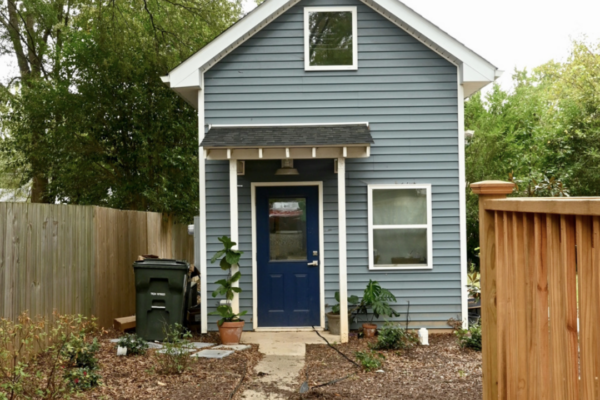
The City of Durham is one of 30 cities recently selected to participate in a new Bloomberg Philanthropies housing initiative.

The Justice Department sued Alaska election officials late Thursday in a preemptive attempt to stop the state from certifying the results of its Senate election if, under the state’s ranked-choice voting, the Republican incumbent loses by a smaller margin than the votes earned by another candidate of the same name.
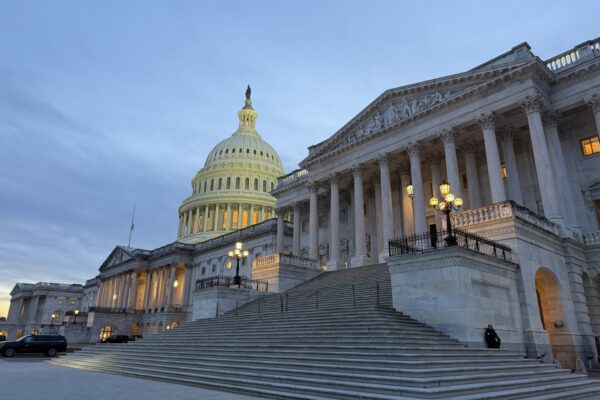
Fewer than 5% of U.S. House races are seen by a top political analysis as truly competitive heading into November’s midterm elections, giving relatively few voters the ability to determine which party controls the chamber for the next two years.

The percentage of working-age adults without health insurance has increased in the past two years, largely because many people can no longer afford Obamacare coverage after Congress allowed federal subsidies to expire at the end of last year.
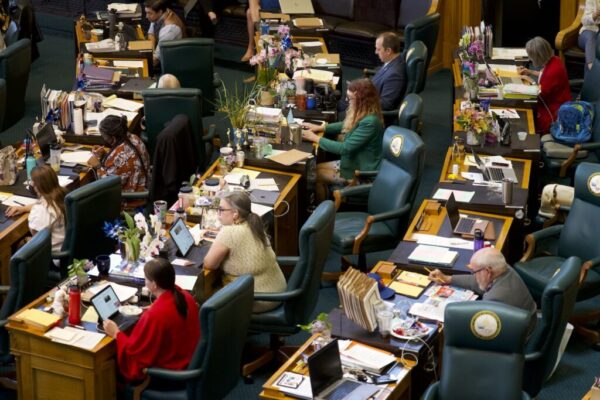
A record number of women are running for state legislative seats this November, more than two-thirds of whom are Democrats. Across the 46 states with legislative seats on the ballot, a total of 3,824 women are running — up from 2022’s previous record of 3,621 women candidates, according to the Center for American Women and Politics at Rutgers University.