



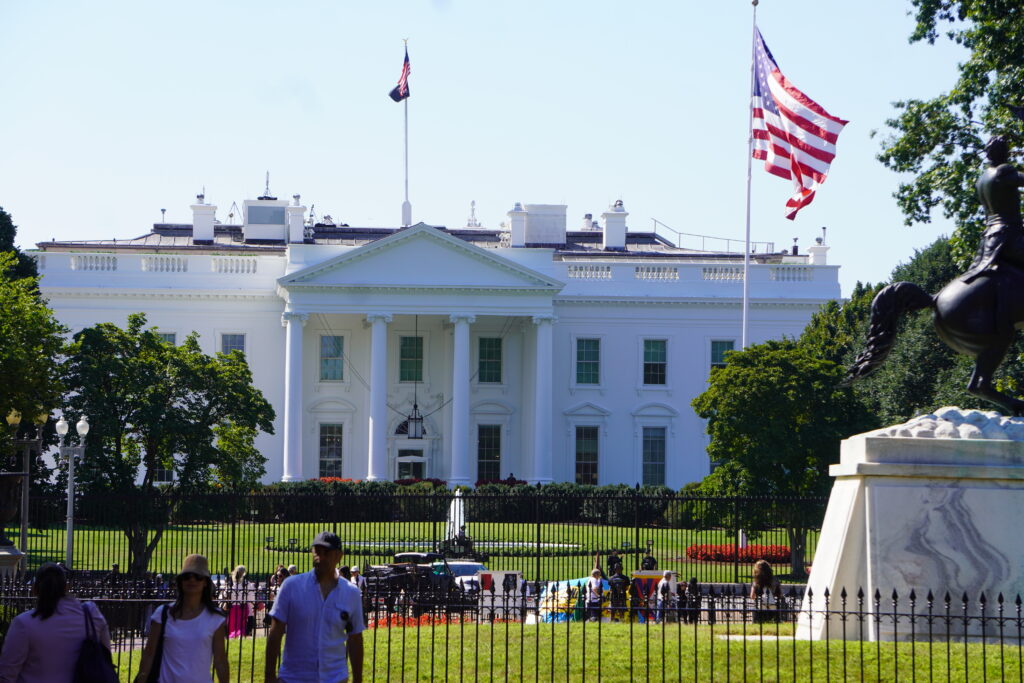
WASHINGTON — The three news organizations that President Donald Trump barred from entering the White House grounds earlier this month have asked a federal judge to ensure their reporters continue to have access after a temporary restraining order expires in early October.
Read more The signs offer quick cash for homes. But states want more oversight.
Attorneys for CNN, MS Now and Politico filed paperwork late Monday requesting a preliminary injunction from the U.S. District Court for the District of Columbia, arguing that without it the administration is likely to again revoke press passes for journalists at those news organizations and possibly others.
“The President has stated that there will be ‘Other Fake News Media Outlets to follow,’ … leaving other news organizations covering the White House to face the prospect that their access may likewise depend on the President’s view of their coverage,” the brief states. “And each day the ban remains in effect, the public loses access to essential reporting on the President and his administration.”
Trump announced on Sept. 18 that he planned to prevent reporters from CNN, MS Now and Politico from reporting on White House grounds. Those news organizations filed a lawsuit a few days later, after several of their reporters were denied entry at a security checkpoint and had their press passes confiscated by Secret Service officers.
Federal judge orders White House must restore press passes to 3 banned news outlets
District Court Judge Timothy Kelly, who was nominated during Trump’s first term, issued a temporary restraining order on Sept. 23, requiring the White House to return the press passes and allow the journalists it had barred back in.
Read more Trump administration revokes $810M approved by Congress for refugee aid and more
That order expires Oct. 8, but could be replaced by a preliminary injunction if the judge agrees with the request filed by the three news organizations this week.
That argues the president’s ban retaliated against the news organizations “for engaging in speech, publication, and newsgathering activities that the First Amendment protects but the administration disfavors.”
The attorneys representing the journalists wrote that Trump administration officials claiming the ban was related to national security concerns were “not credible.”
They later wrote that “the President’s own words leave no doubt that banning Plaintiffs from the White House and denying them the access they had as of September 18 is retaliation for their protected newsgathering and speech—adverse action intended to cow them into conforming the content of their reporting to the President’s preferences and to threaten other journalists lest they suffer the same fate. That is a paradigmatic First Amendment violation.”
Read more K-12 spending, absenteeism programs face risks as feds stop key monitoring, watchdog says
The administration’s response brief is due Friday.