





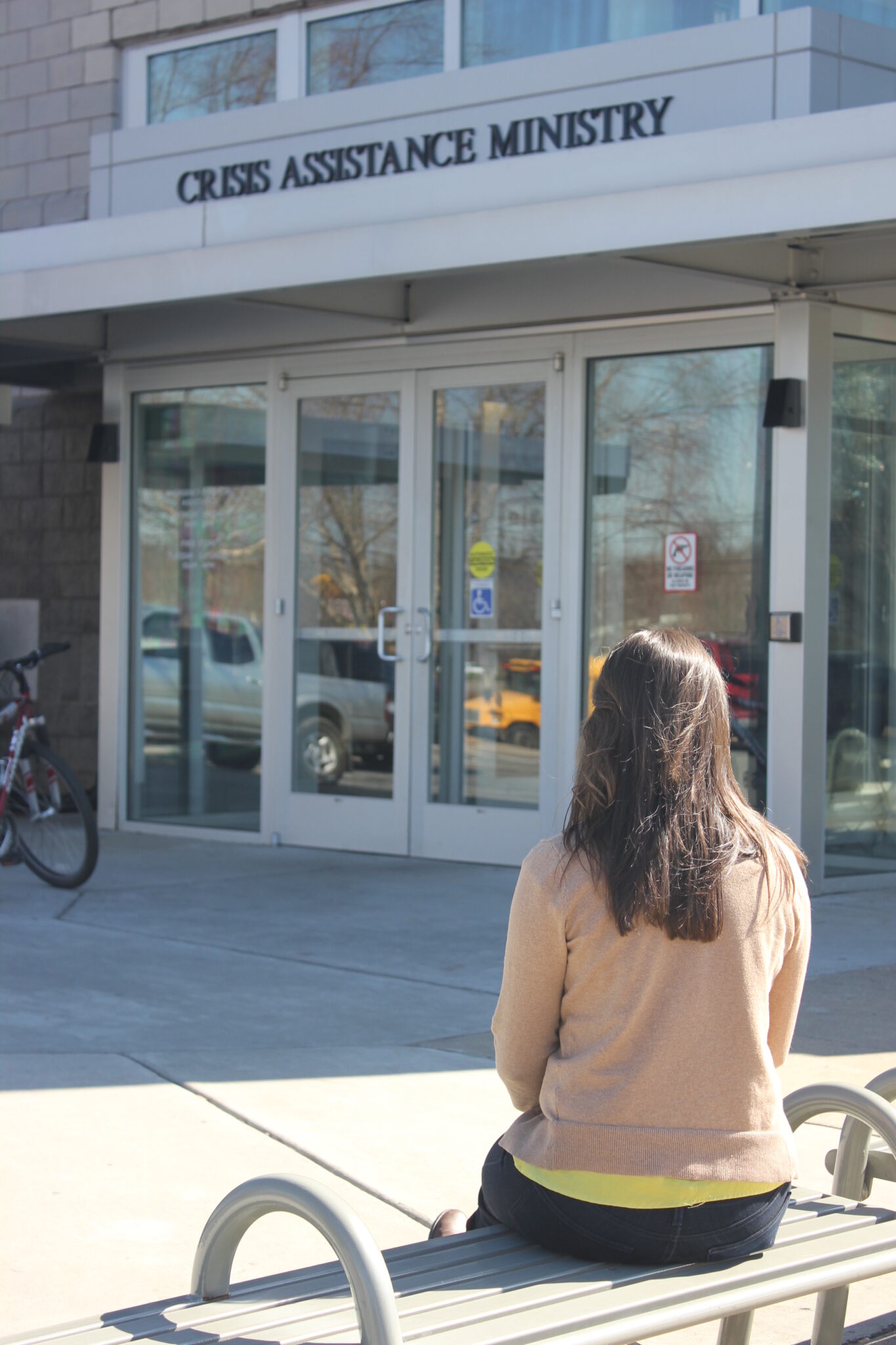
After a multi-week cold snap this past winter, Carol Hardison, CEO of Crisis Assistance Ministry in Charlotte, braced for a surge in requests for help paying higher utility bills.
Read more High school athletic association backs NC bill requiring mental health training for coaches
After seeing spikes in their own bills, longtime donors began calling the nonprofit to ask how they could help.
“The donors knew they could absorb the spike, but they started thinking about the people here,” Hardison said.
The nonprofit that Hardison oversees provides emergency assistance to families facing financial crises. It and others across the state are seeing increasing demand for financial assistance in the wake of a widening affordability crisis.
Near-record gas prices, higher food costs, higher home energy costs and stagnant wages are stretching many household budgets to the breaking point.
A cold snap in January and February that brought freezing temperatures and higher heating bills didn’t help.
“When the utility bill goes up and spikes, they come to us because there’s not that kind of room in a budget that’s paycheck-to-paycheck with the high cost of living here,” Hardison said. “People think about having to pay rent, put food on the table, and sometimes utilities have to be sacrificed.”
Gas and electric bills are generally higher in winter months, but the big surge in requests for assistance doesn’t usually come until the spring, Hardison said.
“Sometimes it’s late and then sometimes they’re close to getting cut off,” Hardison said.
Hardison shared 2025 data showing that 3,269 households asked the nonprofit for help with utilities during what she calls the “spring spike.”
The average request for assistance at the nonprofit was $514, Hardison said, but bills are usually higher. Clients often have $300 or $400 that they can contribute, which lowers the amount of assistance needed.
Data for 2026 weren’t readily available, but the nonprofit projects the need for assistance will be $109,000 higher this year than the $548,000 it distributed from March-June 2025.
“People were coming in with oxygen tanks who didn’t have electricity,” Hardison said. “People were coming in who had been without electricity for a couple days. It’s really been a challenge this year.”
GET THE MORNING HEADLINES.
One of the nonprofit’s clients, Chanelle Durham, fell behind on her utility bills by $2,300 in the fall and continues to struggle to catch up. Durham had $1,000 to contribute to the delinquent bill. She received help from the nonprofit and a state agency to knock out most of the rest.
“I still have a balance right now of about $300,” Durham said. “There’s no way I could use all of my money and put it on the bill to catch up and bring it to zero, which I would like to do, but I just can’t afford to.”
The single mom who lives on a Social Security check and a modest child support payment said she can’t afford to pay the bill some months. When she fell behind $2,300 on utility bills, Durham said she spent money for bills on school supplies and clothing and “regular, everyday life stuff.”
“I could never afford a $400 bill without working, anyway,” said Durham, who has not been able to find available and affordable childcare so that she can work.
As some of its customers struggle to pay utility bills, Duke Energy Foundation, the philanthropic arm of Duke Energy and a Crisis Assistance Ministry supporter, is trying to ease the financial pressures nonprofits face.
The foundation recently announced plans to beef up its Share the Light Fund with an additional $500,000. The utility assistance program helps families and individuals facing financial hardships pay energy bills. More than $1 million has been distributed through the Share the Light Fund in 2026.
Read more Trump-appointed FEMA panel urges states should take the lead in disaster recovery
The foundation will also award $500,000 to nonprofits that help senior citizens age in place and access essential services such as housing support, food programs, transportation and other services. Eligible nonprofits can apply by May 29 for $25,000 grants.
Madison McDonald, a senior communications manager for Duke Energy, said the foundation is aware that funding needs are growing at organizations that help communities and families remain healthy and safe.
“I think right now, we recognize that consumer costs continue to rise on many everyday products and services,” McDonald said.
The foundation’s additional funding help comes as Duke Energy faces criticism over its requests for rate hikes.
More than 82,000 Duke customers in North Carolina and South Carolina have signed an online petition calling for an independent audit of the company’s billing system to “uncover reasons behind unexplained billing spikes.”
NC Utilities Commission to consider Duke Energy’s request for rate hike
As NC Newsline previously reported, the energy company has asked state regulators to approve an 18% increase in electricity rates for customers over the next two years. That could mean an increase of about $28 a month for Duke Energy customers in 2027, rising to about $34 per month in 2028, according to Duke’s filings.
Duke also asked for a temporary rate hike to recover $800 million it spent to buy electricity from neighboring utilities after the January and February cold stretches maxed out its power plants.
McDonald said the rate increases are needed because Duke Power is investing in critical upgrades to improve the “grid’s reliability and resiliency” by strengthening it against storm-related outages.
“We do not ask for this increase lightly and remain very committed to working with customers to provide tools and resources to help manage energy costs, keep bills lower, and offer assistance when needed,” McDonald said in a statement. “One way we are delivering on this promise is through supporting organizations like these that deliver critical community services, including housing stability, food access, health care, utility assistance and more.”
Minimum wage no match for cost of living
Ensuring North Carolinians can afford the goods and services they need begins with higher wages, Hardison said.
“Over 95% of the need that comes here is as simple as a disconnect between the wages and the cost of living,” Hardison said. “If people get paid for the work they’re doing, they can figure out how to put food on the table and keep electricity running with a roof over their heads.”
The statewide minimum wage is $7.25, the same as the federal minimum wage. The federal minimum wage has been $7.25 since July 2009, marking the longest period in U.S. history that it has remained unchanged.
In 2021, the Economic Policy Institute predicted that raising the federal minimum wage to $15 an hour would boost pay for between 32 million to 33.5 million American workers by 2025.
The N.C. Budget and Tax Center estimates that 1.3 million workers in NC would benefit from raising the minimum wage to $12 an hour, including 750,000 women.
Last week, a group of Democratic lawmakers filed House Bill 1059, titled the Fair Minimum Wage Act, to allow local governments to adopt a higher minimum wage of up to $15 an hour.
The minimum wage would be adjusted automatically for inflation each year to reflect increases in the consumer index. The adjustments would become effective Jan. 1 of each year.
For more than a decade, GOP legislative leaders in North Carolina have not allowed debate on bills to increase the state’s minimum wage, saying it would be detrimental to the state’s economic climate. They’ve argued that increasing the minimum wage can lead to job losses, higher prices and reduce employment opportunities for low-skilled or younger workers.
H1059 and bills to address the state’s housing shortage and regulate large data centers target affordability issues that make it difficult for some working North Carolinians to afford utilities or “buy groceries without falling behind on their bills,” Rep. Vernetta Alston (D-Durham) said during a press conference.
Read more WakeMed touts benefits of Atrium deal after weekend backlash