





WASHINGTON — The U.S. House passed a resolution Wednesday to force President Donald Trump to withdraw from the war with Iran and require congressional approval for further military action in the country.
Read more North Carolina youth social media ban clears additional hurdle as it heads toward Senate vote
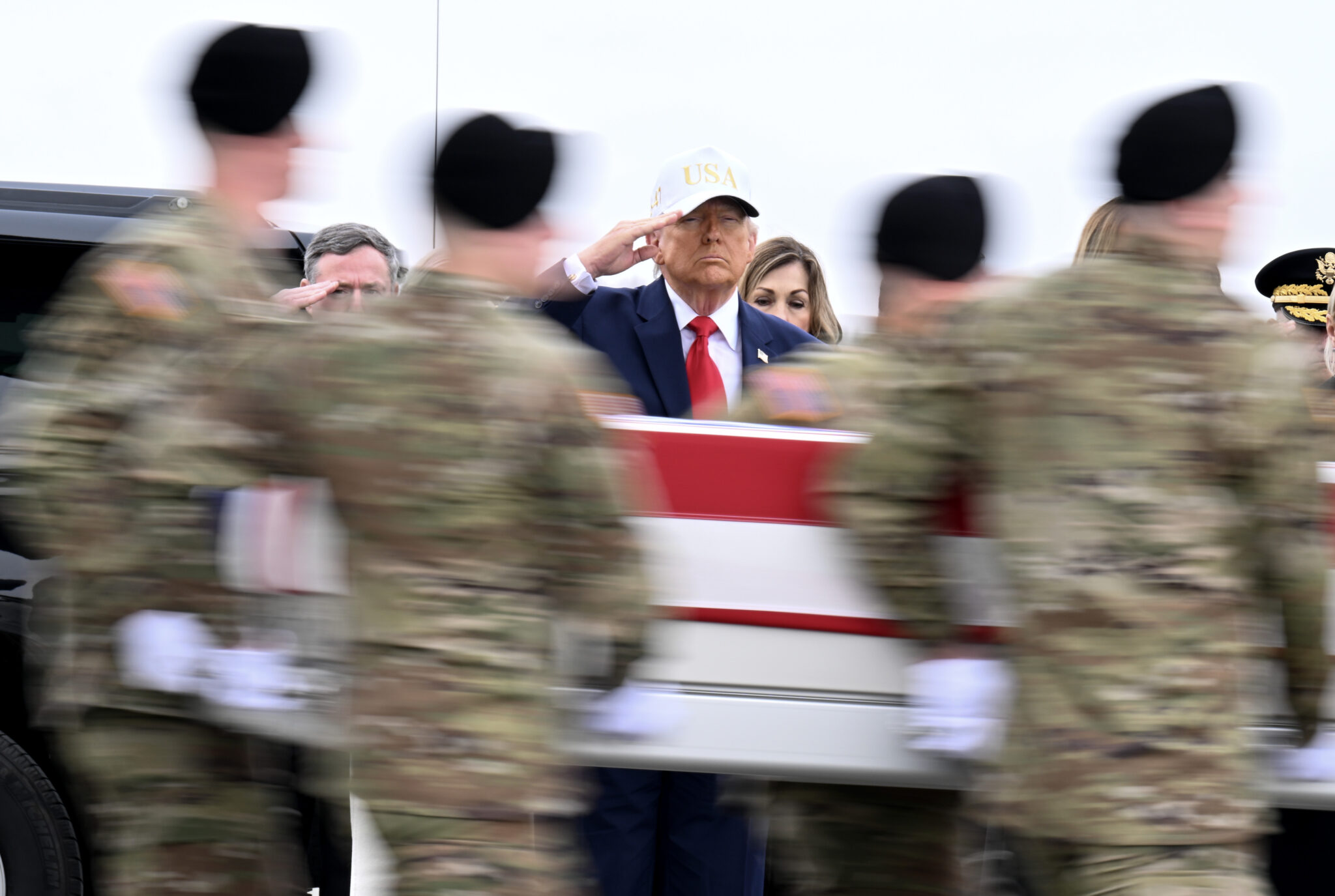
The 215-208 vote, in which four Republicans voted with all Democrats to adopt the resolution, is the strongest rebuke to date against Trump’s handling of the months-long war that has left more than a dozen military troops dead, killed thousands of Iranian civilians and disrupted global supply chains of fertilizer and oil with the blockage of the Strait of Hormuz.
Republican Reps. Tom Barrett of Michigan, Warren Davidson of Ohio, Brian Fitzpatrick of Pennsylvania and Thomas Massie of Kentucky voted in favor.
The War Powers nearly passed the House last month, but failed on a 212-212 tie. The measure is a tool for Congress to limit the president’s ability to initiate or escalate military actions.
US Senate votes to advance resolution limiting Trump war in Iran as Cassidy flips
Several similar efforts in the Senate have failed. However, following the Republican primary loss of Sen. Bill Cassidy, the Louisianan joined with Democrats and several GOP senators in a vote to move the measure forward. A vote on final passage on the Senate measure has not been scheduled.
Rep. Gregory Meeks of New York, the top Democrat on the House Foreign Affairs Committee, sponsored the resolution in that chamber.
Read more North Carolina Senate overrides ninth Stein veto to enact scholarship tax credit bill
Michigan Democratic Rep. Rashida Tlaib has a separate War Powers that would force the president to withdraw troops from Lebanon. Israel, with weapons and funding from the United States, has launched an assault on that nation.
The passage of the resolution in the GOP-controlled House was the latest sign of growing dissent against Trump among congressional Republicans.
Senate Republicans balked at Trump’s effort to create a nearly $1.8 billion fund to pay people who believe they were wrongly prosecuted by the Justice Department, including those who were convicted and later pardoned by the president for attacking the U.S. Capitol in January 2021.
The Trump administration backed away from the fund after disputes over it halted work on legislation to fund immigration and deportation activities for the rest of the president’s second term.
Read more A controversial bill to rein in AI use in medical billing advances in NC Senate