








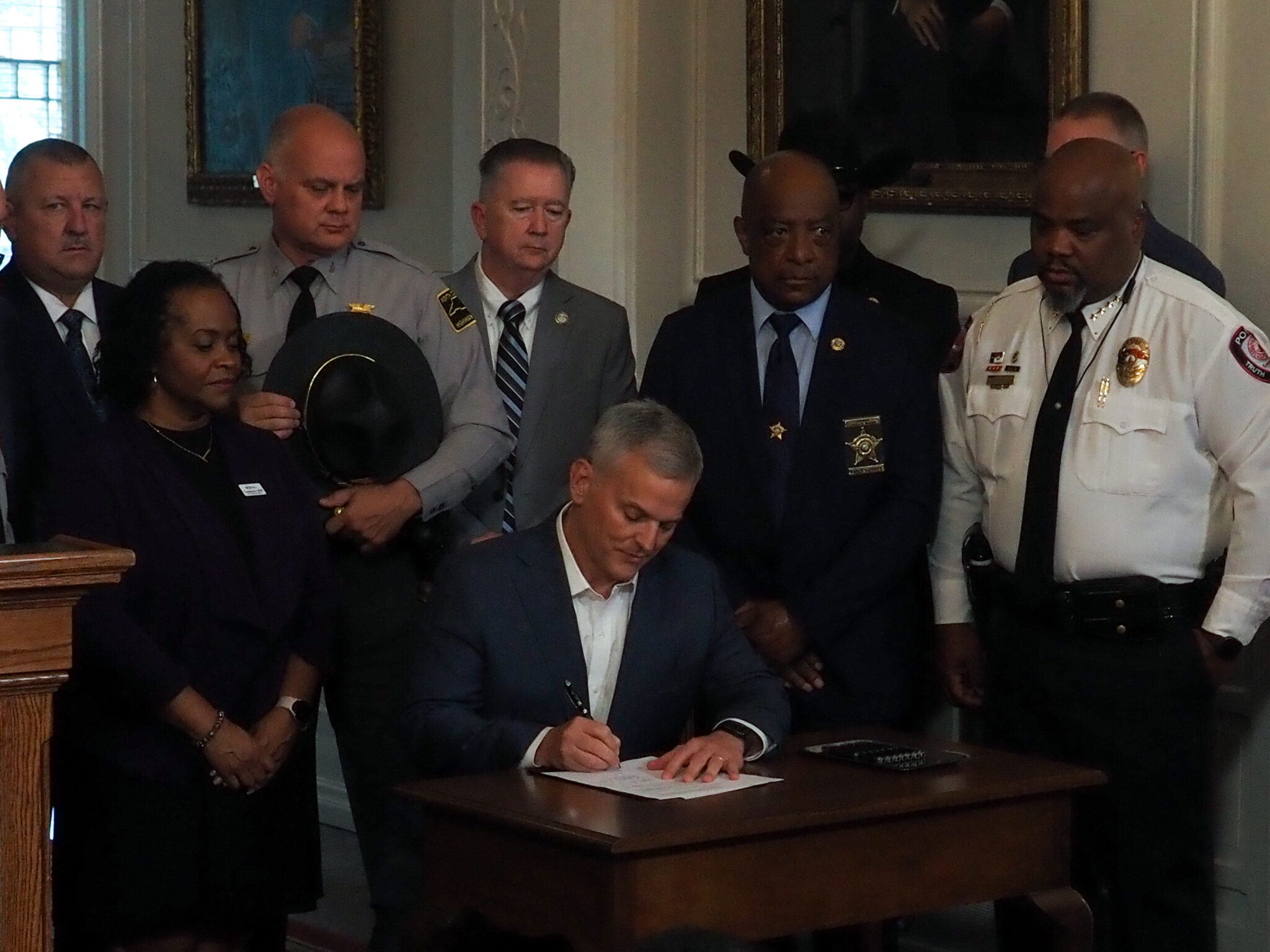
North Carolina Gov. Josh Stein signed two public safety bills into law on Thursday.
Read more No yolk: NC AG Jeff Jackson settles antitrust lawsuit for 3 million eggs
One of them, House Bill 481, seeks to strengthen the state’s law enforcement system by supporting officers returning to work from retirement.
Currently, officers may retire and receive full benefits after working 30 years. If they keep working, they could jeopardize thousands of dollars of compensation in their retirement separation allowance.
The new law updates eligibility requirements so officers choosing to return to work wouldn’t put their separation allowances at risk.
“Vacancies in law enforcement agencies have a real impact on public safety, and this benefit incentivizes experienced law enforcement officers to come back and serve their communities,” Stein said.
Public safety secretary Jeffrey Smythe said North Carolina is fortunate to have law enforcement professionals who have spent decades protecting their communities.
Read more NC budget sets $22M aside for new PFAS study, but moves to keep its results confidential
“Their experience cannot be replaced overnight, and retaining that knowledge is critical to public safety,” he said. “That means agencies can keep seasoned professionals in the workforce, mentoring young officers, sharing their expertise, and helping strengthen our law enforcement ranks.”
Stein also signed House Bill 83, which establishes more severe penalties for people exposing children to inappropriate content.
Adults charged with exposing explicit content to minors under 13 would face a harsher sentence and more time in prison under the law, and the court will consider whether the person needs to register as a sex offender.
Additionally, the legislation calls on the North Carolina Human Trafficking Commission to conduct a statewide reporting and response system.
“This bill strengthens the state’s response to human trafficking and better protects minors from obscene materials,” Stein said.
Read more New NC budget keeps Khanmigo contract, but slashes funding from $10 million to $500,000