






North Carolina Attorney General Jeff Jackson won’t sign off on a Duke Energy settlement raising residential costs by 9.5%, he said in an announcement Tuesday.
Read more ‘Urgent requirements’ for US military funding cited by GOP as Hegseth estimates war cost
Following months of backlash, Duke Energy filed an amended settlement agreement earlier this week to decrease its rate increase request from about 18% to about 9.5% over two years for residential users.
But Jackson says it’s still too high. He said residential users are being asked to cover more of the increase than industrial users.
“We did our own independent analysis of what Duke will need to meet demand, and we think they overshot the mark,” Jackson said in a video posted to social media on Tuesday. “We think they can come down significantly, and still meet demand.
The settlement does not require the approval of the state attorney general, but Jackson could take the matter to court. A spokesperson for Jackson didn’t immediately respond to NC Newsline’s inquiry about potential litigation.
Gov. Josh Stein also criticized the proposed settlement, saying the Utilities Commission needs to impose a large load tariff to ensure data centers cover their own electricity costs.
“These are some of the largest and richest companies in the world,” Stein said on social media. “They can pay more to lower everyone else’s rates.”
The deal sets a 9.8% return on equity, representing the profit margin for shareholders. Under North Carolina law, regulated utilities must be allowed to earn a “reasonable rate of return” to continue to attract investors.
Stein, Jackson push back on Duke Energy’s proposed 2027 rate increases
Kendal Bowman, Duke Energy’s North Carolina president, said the company’s goal remains delivering reliable power at the lowest possible cost.
“We appreciate our stakeholders’ engagement in finding a path that allows us to more cost-effectively serve the Tar Heel State,” Bowman said in a statement. “We’ve agreed to reduce rates even more than in our prior settlements, while still allowing us to make vital infrastructure investments to meet existing and future customer needs.”
The deal between Duke Energy Carolinas, a subsidiary covering the western portion of the state, and North Carolina Public Staff, which represents customers, requires approval from the North Carolina Utilities Commission before moving forward.
The utility, Public Staff, and other settling parties agreed to negotiate similar terms for Duke Energy Progress, which covers the eastern half of North Carolina.
Under the proposal, rates for residential users would increase by 5.9% in the first year and 3.6% in the second, leading to a cumulative growth of 9.5%, according to Duke Energy spokesperson Bill Norton.
Read more Private investment in youth sports draws state, federal scrutiny
If approved, the new rates would take effect on Jan. 1.
Government officials, trade groups, and environmentalists pushed back against Duke’s original request for an 18% increase, citing rising prices for consumers across the board.
In recent months, stakeholders have also voiced concerns about hyperscale data centers threatening energy affordability in the state by shifting costs to residents.
Lawmakers introduced and advanced legislation targeting the topic this session, although none of the standalone bills have yet made it to Stein’s desk. The state budget, however, repeals the sales tax exemption on electricity for data centers.
While the agreement doesn’t directly address data centers, Norton told NC Newsline in an email that Duke Energy has had “constructive discussions” about implementing a large load tariff.
“Our analysis shows that large load customers like data centers will not only pay for the costs required to serve them but also contribute additional revenue to lower costs for all other customers,” Norton wrote. “That will remain the case regardless of whether a large load tariff is established or not.”
Environmental Defense Fund NC policy director Will Scott said the settlement shows Duke Energy sees the need for new data center regulations.
“That is a win for regular customers and opens the door to enabling data centers to bring their own clean energy as many other states are doing,” Scott said in a statement.
NC Utilities Commission to consider Duke Energy’s request for rate hike
Environmentalists are also worried about the federal government’s move to push utilities away from adding clean energy sources. They say Duke Energy is prioritizing President Donald Trump’s favor over affordable, renewable energy for North Carolinians.
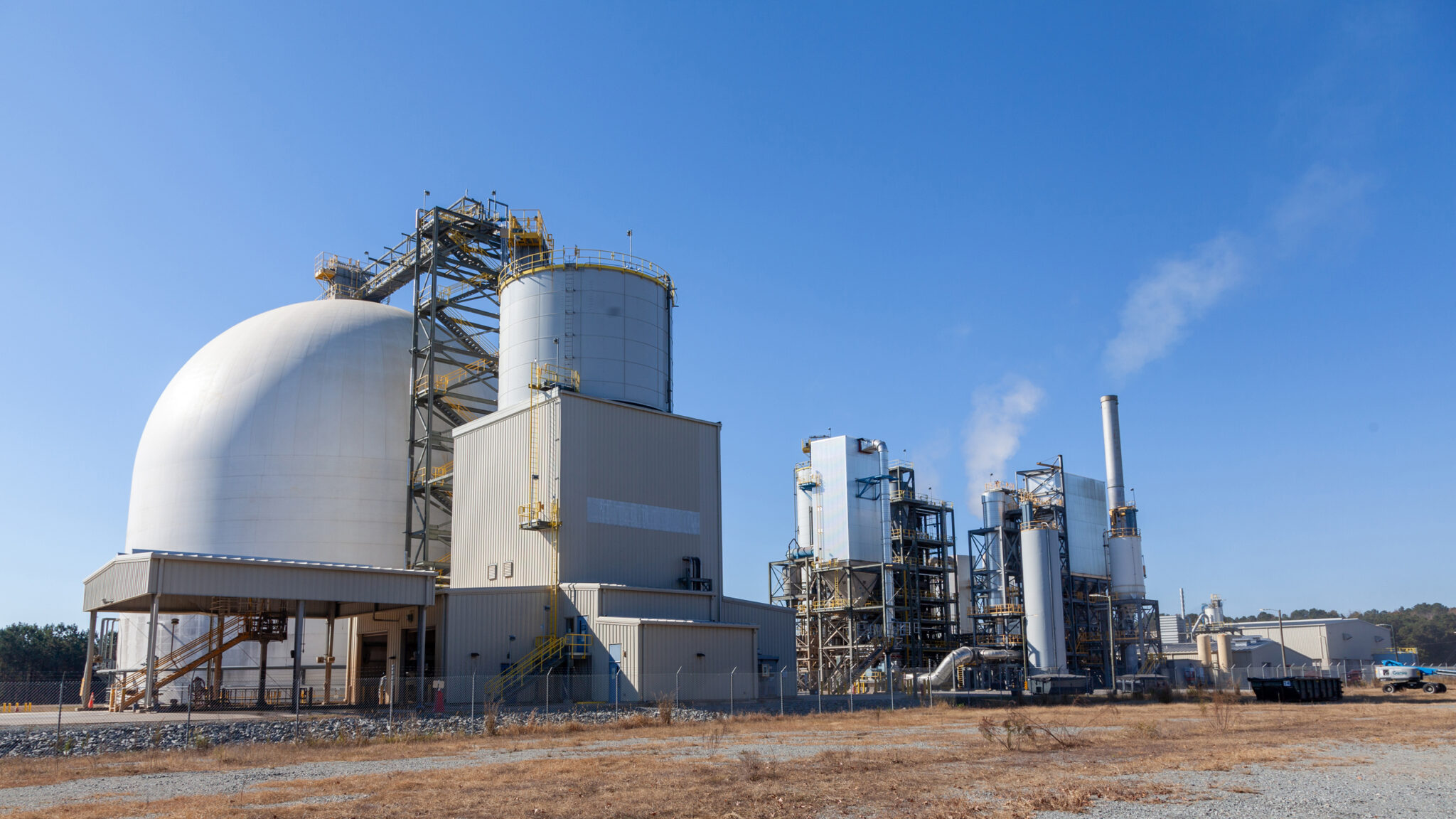
Last month, the Trump administration gave Duke Energy a $28.4 million grant for a coal plant in Person County. Earlier this year, the utility received $129 million from the Trump administration to cancel its Carolina Long Bay offshore wind lease.
North Carolina’s U.S. Reps. Deborah Ross, Valerie Foushee, and Alma Adams wrote a to Duke Energy Tuesday demanding answers about the end of the offshore wind lease.
“In recent months, multiple offshore wind projects and lease areas across the country have been canceled by the Trump administration in exchange for payouts to the leaseholders and promises to reinvest those funds into fossil fuel projects and infrastructure,” the letter read. “The Carolina Long Bay project represented one of the best opportunities to develop offshore wind energy off North Carolina’s coast.”
The Trump administration has been dismissive of renewable energy development, calling it the “green new scam.”
Read more ICE arrests reach new high
Ross and other Democrats accused Trump of bribery in May regarding the buyouts.
This story has been updated.