








North Carolina is reporting 561 cases of cyclosporiasis as of July 20, 2026, but the cause of the state’s growing outbreak remains a mystery.
Read more Citing fraud, feds halt more than $1B in Medicaid money for California, Minnesota
Dr. Carl Williams, state public health veterinarian for the N.C. Department of Health and Human Services, told reporters Tuesday that while some states were able to identify lettuce as the source for a significant proportion of cases, in North Carolina the outbreak may be caused by several sources.
“Our thought is that it’s likely that there are multiple vehicles for cyclosporiasis. It’s not a single source or a single food product from a single company,” said Williams.
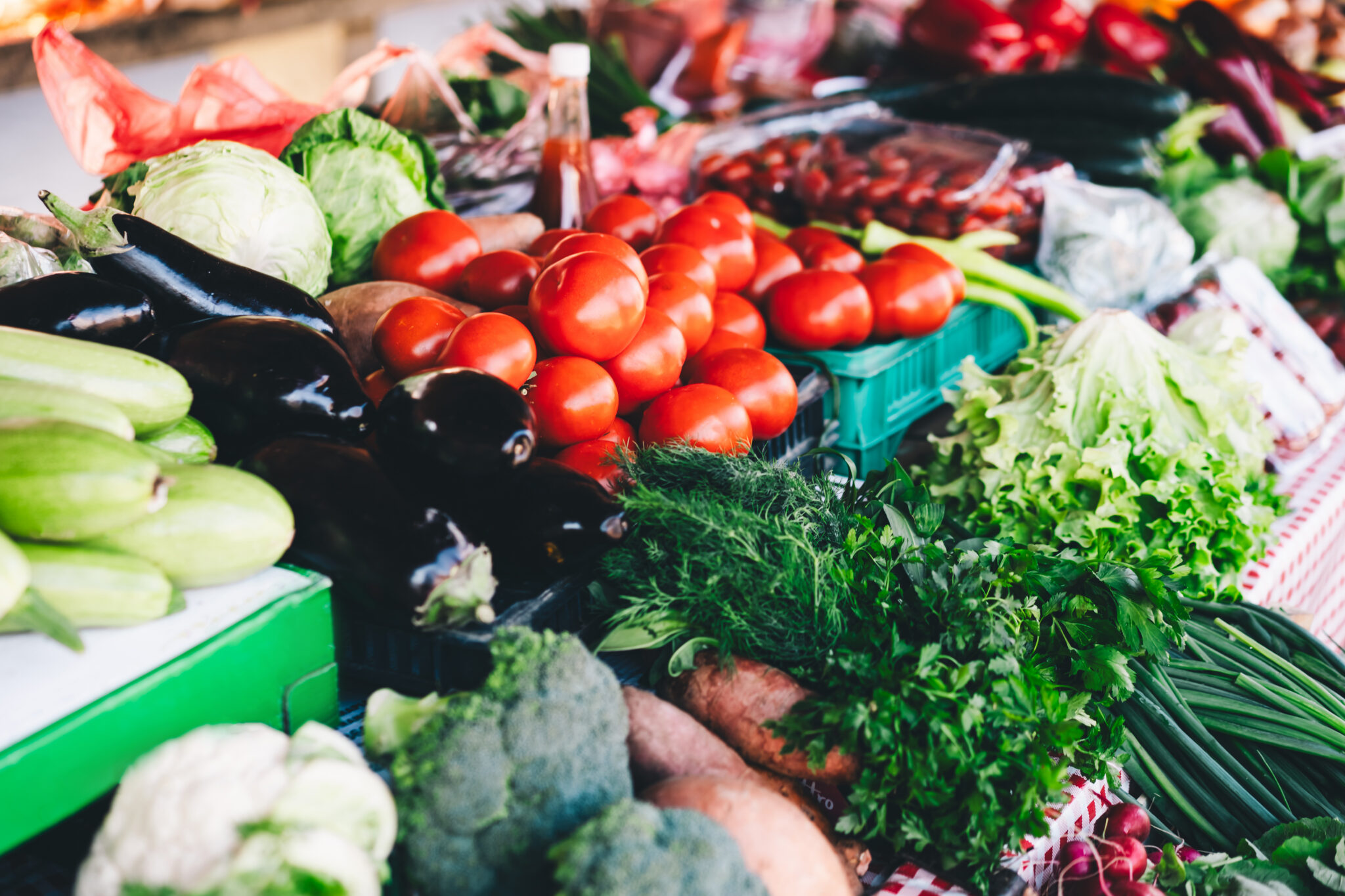
While that can make it difficult to offer advice about what to avoid, Williams says that thoroughly washing fresh produce is a good first step to protecting yourself. Even if the packaging says the produce has been triple washed, that does not guarantee the parasite will be removed entirely.
“[Cyclosporiasis] is shed in feces that could contaminate surface water. In other countries, that surface water may be used for irrigation or it may be used for the application of pesticides,” Williams explained. “That’s how it gets from the human to the surface water onto the surface of the fresh fruit and vegetable. These fresh fruits and vegetables come to the United States, they come to North Carolina, there’s no outward sign of a problem.”
Williams says cases tend to increase in the summer months when more people are enjoying more fresh fruits and vegetables. Cyclosporiasis, like many foodborne illnesses, can be prevented by cooking foods to 165 degrees Fahrenheit.
“If you cook it, you’ll kill it. But most people don’t want to cook their fresh fruits and vegetables,” said Williams.
Cyclosporiasis is one of more than 80 conditions that is reportable to the state by law. Each case is carefully investigated by NCDHHS and local health departments as they work to identify the original supplier or source.
Read more Republicans in US House approve stopgap spending bill ahead of Oct. 1 deadline
Because most state public health labs cannot do the molecular work needed to trace specific strains of cyclospora, it’s up to the federal Centers for Disease Control and Prevention to establish any genetic linkages between specimens taken in North Carolina and specimens from another state.
Williams says the CDC has been very responsive to NCDHHS, conducting calls twice a week with state health departments as they search for answers.
The microscopic parasite can cause explosive diarrhea and intense stomach cramps that can last for days. That can be especially dangerous for certain segments of the population.
FDA: Taylor Farms iceberg lettuce sample produced a false positive for cyclospora
“Certainly, you want to take extra care if you are immunocompromised or elderly,” Williams told NC Newsline. “Even things that may not be that big of a problem, you can get dehydrated. That alone can create serious problems.”
Sixteen people in North Carolina have been hospitalized because of the parasite.
Some school districts have made the decision not to serve fresh produce until more is known about the source of the outbreak. Durham Public Schools decided to serve frozen or canned vegetables until September.
NCDHHS has been consulting with the NC Department of Public Instruction about the risks cyclosporiasis might pose for schools this fall, but has not issued any formal guidance.
Read more NC AG Jackson rejects Duke Energy’s proposed rate increase