


NC students bring calls for school funding, mental health support to legislature
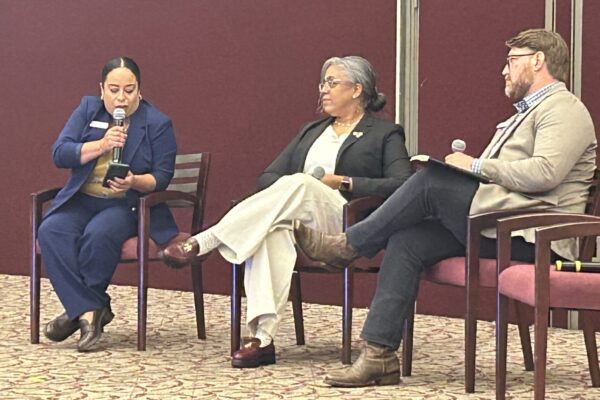
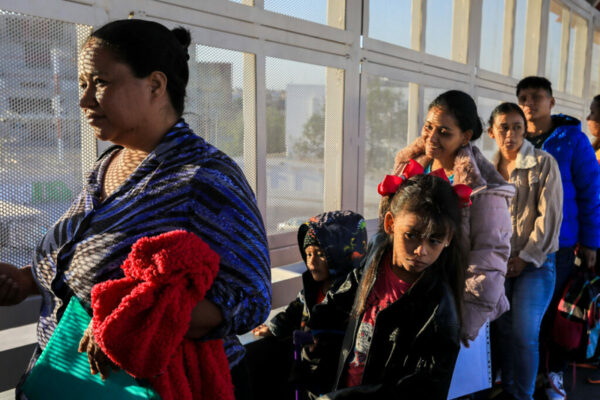
Students from across North Carolina urged lawmakers to invest more in public schools, citing concerns including mental health services
Senate Bill 1018, which has bipartisan backing, would establish a Breakthrough Therapies Research (BTR) Grant Fund and appropriate $5.4 million to study psychedelic medicines to treat military veterans, first responders and other trauma-impacted populations.
The NC State student center won’t be an early voting site this year. Republicans on the Wake County elections board said parking is too hard.
NC Senate lawmakers are moving forward with a constitutional amendment to cap the state income tax rate at 3.5%, starting next year.
U.S. Immigration and Customs Enforcement is not planning an aggressive campaign at voting sites during the upcoming midterm elections, the Department of Homeland Security said Thursday in response to a States Newsroom inquiry about a letter from U.S. Senate Democrats voicing concerns about armed federal agents at polling places.
Forty-six percent of U.S. adults — regardless of insurance type — reported struggling to afford healthcare last year, according to a report released Wednesday by the Urban Institute, a nonprofit research think tank. The report analyzed findings from a December 2025 survey of 10,000 working-age adults across the nation.
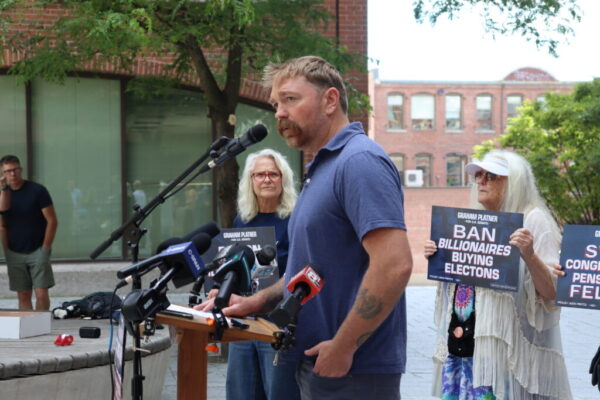
Democrats proposed a 7% tax on income over $1 million to fund public schools, but the bill is unlikely to advance in the GOP-led legislature.
The Guilford County Board of Elections voted for an early voting plan that does not include sites at North Carolina A&T and UNC Greensboro, despite requests by students at the schools.
Hundreds of pages of public records reveal the extent to which Dallas Woodhouse, a former elections liaison for state Auditor Dave Boliek, pushed for early voting sites in particular locations and against them in others.
Voters throughout much of the country will cast ballots for their U.S. senator this fall, but just nine states hold the power to determine control of the chamber — setting the course for which presidential nominees can secure confirmation and what bills advance during the next two years.