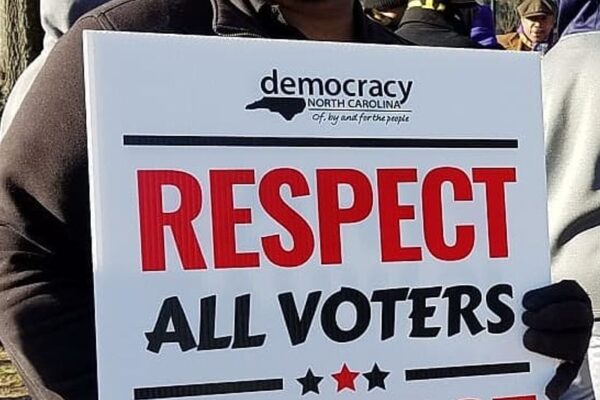
Southern voting rights advocates see rise in momentum after gutting of the Voting Rights Act
A month after the U.S. Supreme Court decision that weakened the federal Voting Rights Act, voting rights advocates are sharpening their messaging.
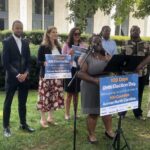
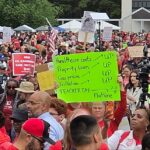


A month after the U.S. Supreme Court decision that weakened the federal Voting Rights Act, voting rights advocates are sharpening their messaging.

The decision by D.C. District Court Judge Carl Nichols, a Trump appointee, represents a setback for Democratic groups, lawmakers and other groups including the NAACP that have sued to stop the order ahead of the midterm elections in November. The March 31 order faces at least five lawsuits.
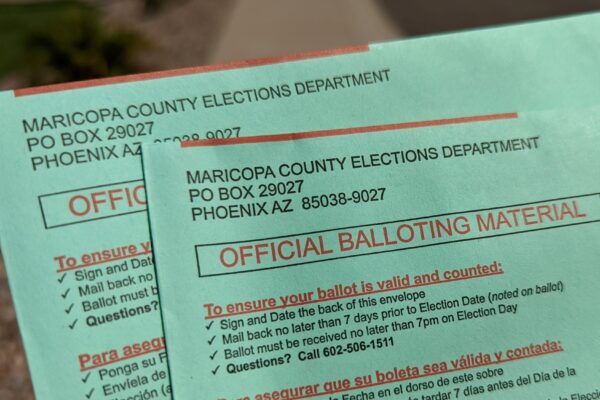
If the court takes the case, it could lead to a significant decision granting states greater leeway to purge alleged noncitizen voters close to elections and mandate that voters prove their citizenship — a key aim of the SAVE America Act, President Donald Trump’s signature elections legislation that’s stalled in Congress.

A North Carolina Republican lawmaker has taken the unusual step of publicly retracting his sponsorship of an anti-abortion bill. That’s after critics on social media said it would sanction the killing of doctors and nurses who perform abortions, women who have abortions, and even women who use some kinds of contraception.
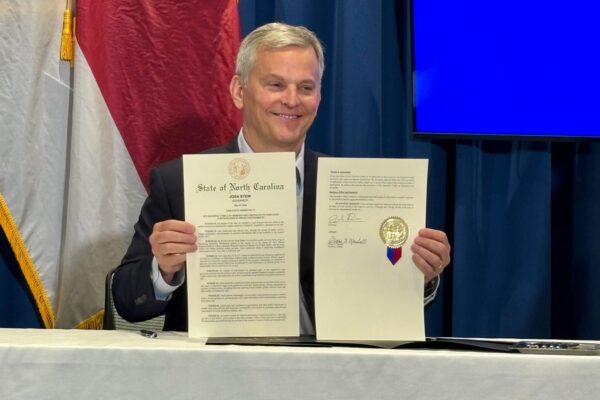
The order expands on the North Carolina State Ethics Act, which prohibits public servants from insider trading.

The White House says China has committed to buying at least $17 billion in additional U.S. agricultural products annually for three years. But Beijing has not confirmed the figure, and farm groups expressed skepticism that the deal would materialize.

Some of the nation’s biggest megachurches are getting into the college business, prioritizing job training and church culture over traditional liberal arts. The new schools are attracting big donors and growing their enrollment through a built-in base of believers — and some are pushing to access public funding.
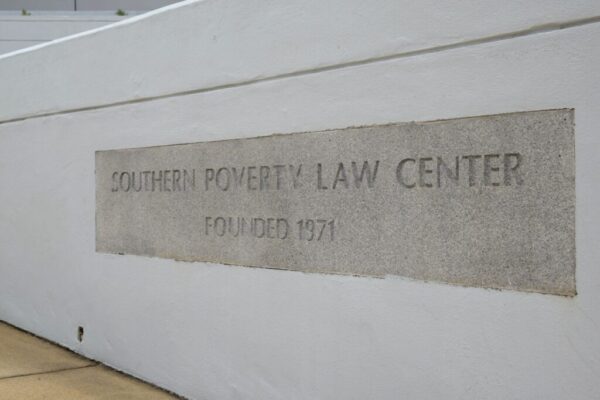
The civil rights organization cited comments from President Donald Trump as evidence of vindictive prosecution.

North Carolina’s child death rate is up 3% from 2005 to 2024, while the national rate has fallen 15% over the same time.
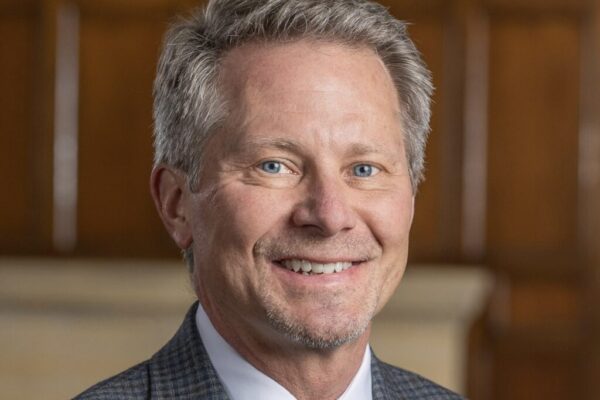
Kevin Guskiewicz comes to Clemson from Michigan State University, where he has been president since March 2024.